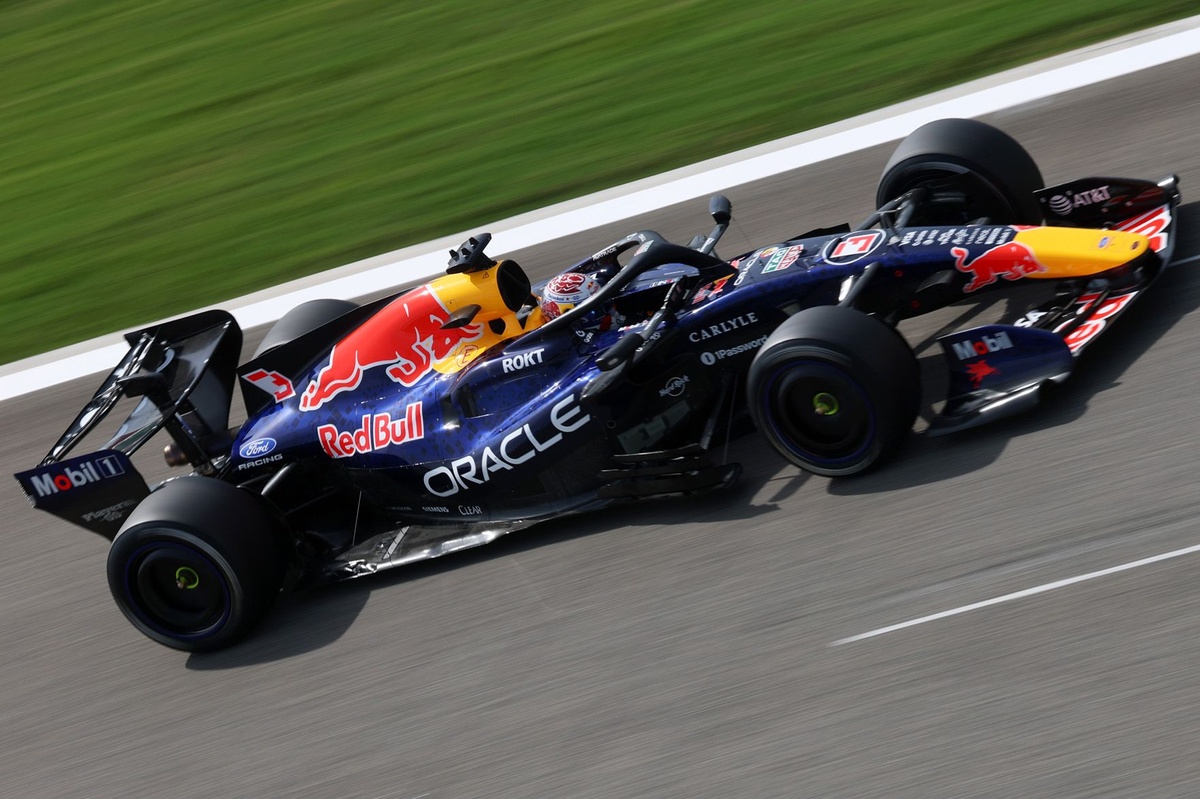
During the initial week of Formula 1 testing in Bahrain, all teams powered by Mercedes publicly expressed praise for Red Bull’s latest engine development. This collective commendation has sparked discussions within the racing community about whether these positive remarks are purely technical or if they carry underlying political implications.
Red Bull Racing introduced a new engine upgrade, which has been met with widespread approval from their competitors, especially those using Mercedes power units. The praise from Mercedes teams was notable because, traditionally, teams tend to be cautious in publicly complimenting rivals, especially in the highly competitive environment of F1.
Many analysts believe that this unified praise could be a strategic move, possibly aimed at influencing the broader narrative around engine regulations and technical standards. It raises questions about whether the praise is genuine or if it’s part of a calculated effort to shape perceptions and policies within the sport.
Furthermore, the timing of these comments coincides with ongoing discussions about engine regulations and potential changes in technical rules that could impact the competitive balance. By publicly supporting Red Bull’s engine, Mercedes teams might be attempting to sway regulatory decisions or to position themselves favorably in upcoming negotiations.
It’s also important to consider the broader political landscape within F1, where manufacturers and teams often engage in subtle power plays. The praise could be a way to foster goodwill or to build alliances ahead of future regulatory or technical disputes.
Despite the apparent camaraderie, experts caution that these public statements should be viewed within the context of the sport’s complex political and technical environment. Behind the scenes, teams continue to compete fiercely, and the true motivations behind such praise may be more strategic than they appear on the surface.
As the season progresses, observers will be watching closely to see if this positive sentiment persists or if underlying tensions resurface. The dynamics of praise and criticism in F1 often reflect deeper strategic considerations, making it a fascinating aspect of the sport’s political landscape.
In conclusion, while all Mercedes teams have publicly lauded Red Bull’s new engine, the motivations behind this praise may extend beyond mere technical appreciation. It underscores the intricate interplay of politics, strategy, and competition that defines modern Formula 1 racing.